
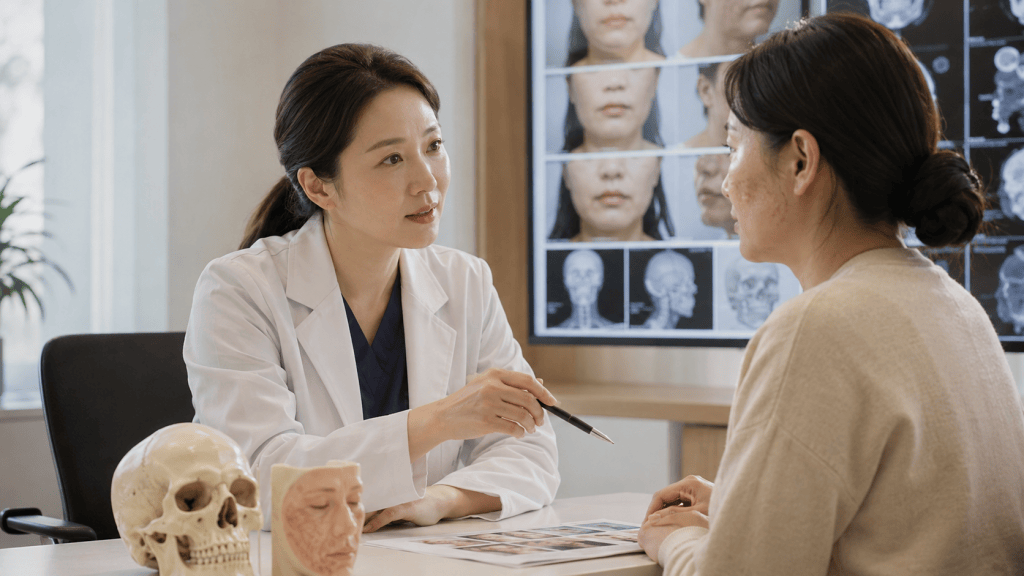
When people hear the words “plastic surgery,” they often think of cosmetic procedures designed to enhance appearance. Reconstructive plastic surgery, however, has a fundamentally different purpose.
For people affected by severe burns, accidents, cancer surgery, congenital conditions, or traumatic injuries, reconstruction is not simply about changing how they look. It is about restoring essential physical functions, rebuilding confidence, and helping patients return to family, work, and society.
Korea’s reconstructive medical field brings together microsurgery, digital surgical planning, rehabilitation, and multidisciplinary patient care. Behind every advanced procedure is a deeply human goal: helping a person recover not only part of the body, but also part of the life that was lost.
Cosmetic Surgery and Reconstructive Surgery
Although both fields require detailed knowledge of anatomy, balance, and surgical precision, their primary purposes are different.
| Category | Cosmetic Surgery | Reconstructive Surgery |
|---|---|---|
| Primary purpose | Enhance or modify appearance | Restore damaged form and function |
| Typical patients | People seeking aesthetic improvement | Patients affected by injury, disease, surgery, or congenital conditions |
| Medical necessity | Usually elective | Often medically necessary |
| Main considerations | Shape, proportion, symmetry, and personal preference | Function, safety, tissue survival, movement, sensation, and appearance |
| Treatment period | Often completed in one procedure | May require several surgeries and rehabilitation |
| Recovery goal | Greater satisfaction with appearance | Return to daily activities and improve quality of life |
| Medical team | Mainly surgical and nursing teams | Surgeons, nurses, rehabilitation specialists, therapists, and psychologists |
Reconstructive surgery may improve appearance, but appearance is only one part of the treatment. In many cases, the first priorities are breathing, eating, speaking, walking, or using the hands independently.
Who May Need Reconstructive Surgery?
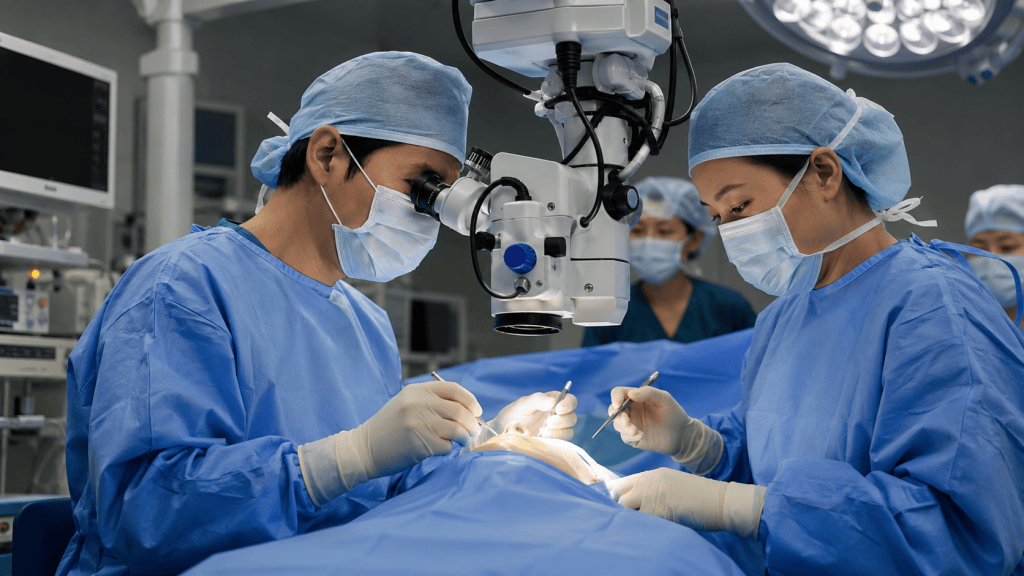
Reconstructive care covers a much broader range of conditions than many people realize.
| Area of Treatment | Common Medical Situations | Major Challenges | Main Treatment Goal |
|---|---|---|---|
| Facial reconstruction | Traffic accidents, falls, burns, tumors | Facial asymmetry, bone loss, nerve damage | Restore facial structure, movement, and expression |
| Hand reconstruction | Industrial accidents, cuts, crushing injuries | Loss of movement, sensation, or grip strength | Recover hand function and independence |
| Burn reconstruction | Deep burns and scar contractures | Restricted movement, pain, severe scarring | Release tight scars and improve mobility |
| Breast reconstruction | Breast cancer surgery | Loss of breast tissue and body balance | Restore physical form and emotional well-being |
| Head and neck reconstruction | Oral, jaw, tongue, or throat cancer | Problems with swallowing, speech, and breathing | Rebuild removed tissue and restore essential functions |
| Lower-limb reconstruction | Major trauma, infection, or tissue loss | Difficulty walking and risk of amputation | Preserve the limb and recover mobility |
| Congenital reconstruction | Cleft lip, cleft palate, craniofacial conditions | Feeding, speech, breathing, and developmental challenges | Support healthy development and social confidence |
| Scar revision | Surgery, burns, or traumatic wounds | Pain, tightness, limited movement, emotional distress | Improve comfort, flexibility, and appearance |
Every patient’s condition is different. The medical team must consider age, general health, the location of the injury, the amount of available tissue, and the patient’s long-term goals.
Reconstructing Function and Identity
A serious injury or illness can change a person’s life in an instant.
Facial damage may affect eating, speaking, breathing, vision, and facial expression. A hand injury may prevent someone from writing, working, cooking, or holding a child. Cancer surgery can save a patient’s life while leaving physical changes that affect confidence and social relationships.
Reconstructive surgery therefore addresses two closely connected areas:
| Physical Recovery | Emotional and Social Recovery |
|---|---|
| Restoring movement and sensation | Rebuilding self-confidence |
| Improving speaking and swallowing | Reducing fear of social interaction |
| Supporting breathing and eating | Returning to work or school |
| Reducing pain and scar tightness | Recovering a sense of identity |
| Protecting damaged tissue | Reconnecting with family and community |
| Preserving or restoring a limb | Regaining independence |
The patient’s psychological recovery can be just as important as the surgical result. Even when an operation is technically successful, adapting to changes in appearance or function may take considerable time.
Advanced Reconstructive Techniques
Korean medical institutions use a range of advanced methods to treat complex injuries and defects. The most appropriate technique depends on the size, depth, and location of the damaged area.
Microsurgery
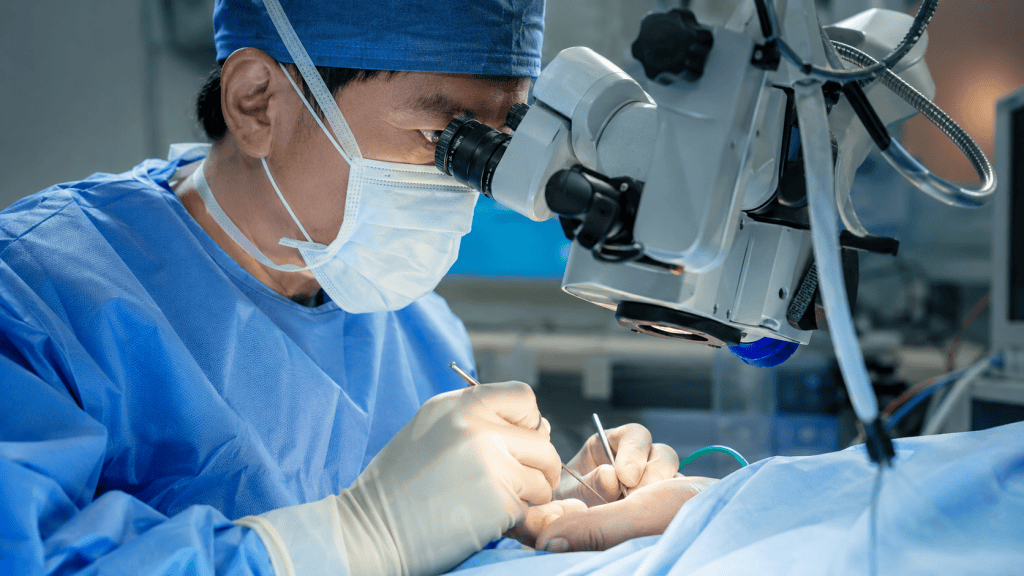
Microsurgery allows surgeons to reconnect extremely small blood vessels, nerves, and tissues using specialized microscopes and instruments.
This technique can be used to transfer healthy tissue from one part of the body to another. The transferred tissue may include skin, fat, muscle, bone, blood vessels, or a combination of these structures.
For example:
- Tissue from the thigh may be used to reconstruct part of the tongue or face.
- Tissue from the abdomen may be used for breast reconstruction.
- Bone from the leg may be used to rebuild part of the jaw.
- A damaged finger or hand may sometimes be replanted by reconnecting blood vessels, tendons, and nerves.
Microsurgery demands exceptional concentration and experience because the surgeon may be working with structures only a few millimeters wide.
Tissue Flap Surgery
A tissue flap is a section of living tissue transferred to cover or rebuild a damaged area. Unlike a simple skin graft, a flap carries its own blood supply or is connected to new blood vessels at the reconstruction site.
| Technique | Description | Typical Application |
|---|---|---|
| Local flap | Nearby tissue is moved into the damaged area | Small facial wounds or skin defects |
| Regional flap | Tissue is transferred from a nearby region | Head, neck, chest, or limb reconstruction |
| Free flap | Tissue is completely detached and reconnected using microsurgery | Complex facial, jaw, breast, or limb reconstruction |
| Skin graft | A thin layer of skin is placed over a wound | Burns and areas of skin loss |
| Bone graft | Bone is transferred to repair structural loss | Jaw, skull, or limb reconstruction |
| Nerve graft | A nerve segment is used to bridge damaged nerves | Facial movement or hand sensation restoration |
Three-Dimensional Imaging and Digital Planning
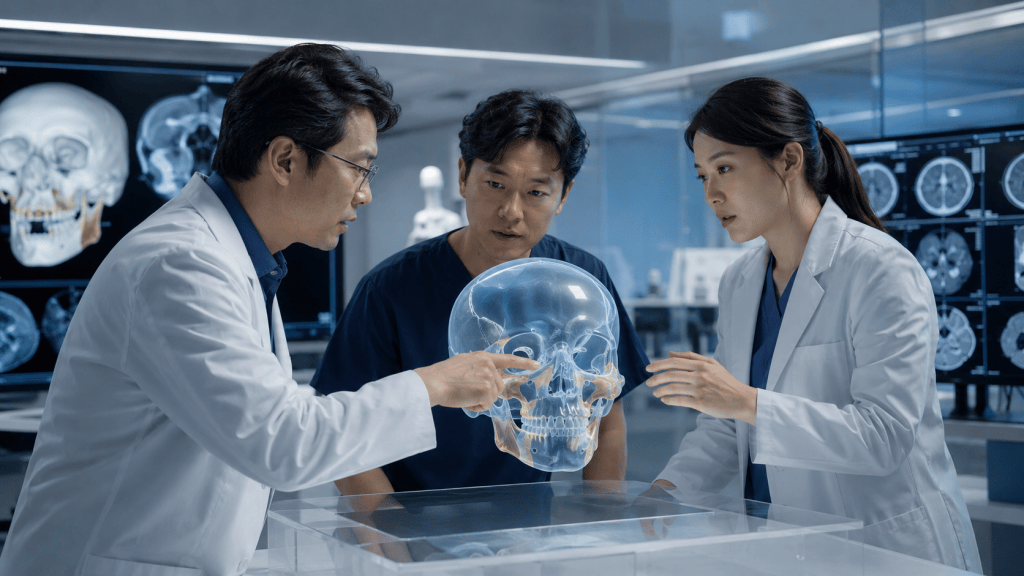
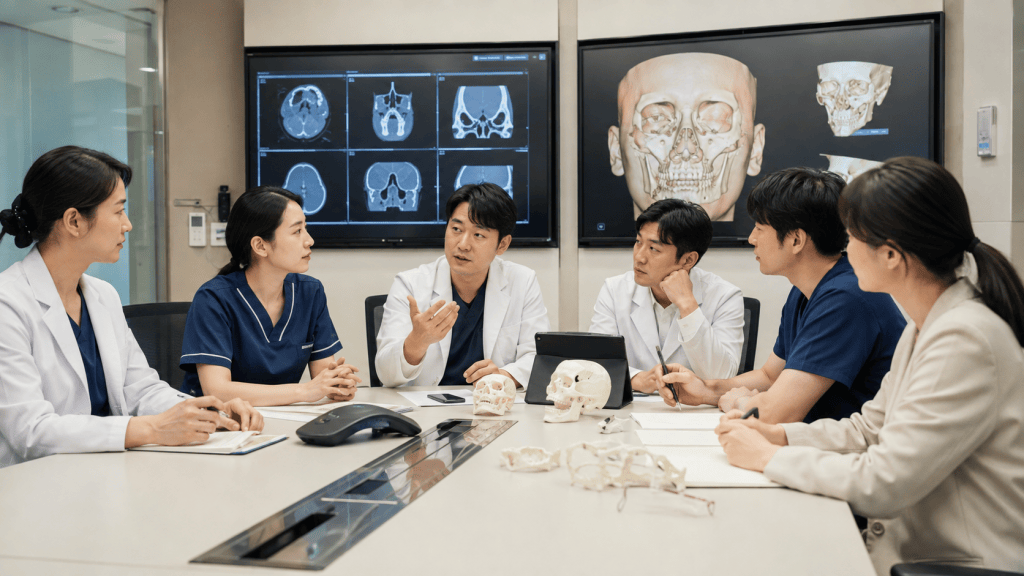
Complex reconstruction requires careful preparation. Three-dimensional imaging can help surgeons understand the exact shape and position of damaged bones and tissues.
Digital surgical planning may be used to:
- Compare injured and healthy structures
- Plan bone cutting and reconstruction
- Simulate the operation before surgery
- Design patient-specific surgical guides
- Improve accuracy and symmetry
- Reduce uncertainty during complicated procedures
In selected cases, three-dimensional models can help both the surgical team and the patient understand the treatment plan more clearly.
Nerve and Functional Reconstruction
Reconstructive surgery is not limited to skin and bone. Damaged nerves may also need to be repaired or replaced.
Nerve reconstruction can help restore:
- Facial expression
- Hand sensation
- Muscle movement
- Smiling and blinking
- Grip strength
- Protection from repeated injury
Nerve recovery is generally slow. Even after successful surgery, the patient may require long-term therapy while the nerve gradually heals.
A Multidisciplinary Medical Team
Complex reconstructive treatment is rarely the work of one surgeon alone. Multiple specialists may participate from the initial operation through long-term recovery.
| Medical Professional | Main Role |
|---|---|
| Reconstructive surgeon | Plans and performs tissue, bone, nerve, or microsurgical reconstruction |
| Trauma or cancer surgeon | Treats the original injury or removes diseased tissue |
| Anesthesiologist | Manages anesthesia, pain control, and patient safety during surgery |
| Radiologist | Provides imaging needed for diagnosis and surgical planning |
| Rehabilitation physician | Designs the overall rehabilitation program |
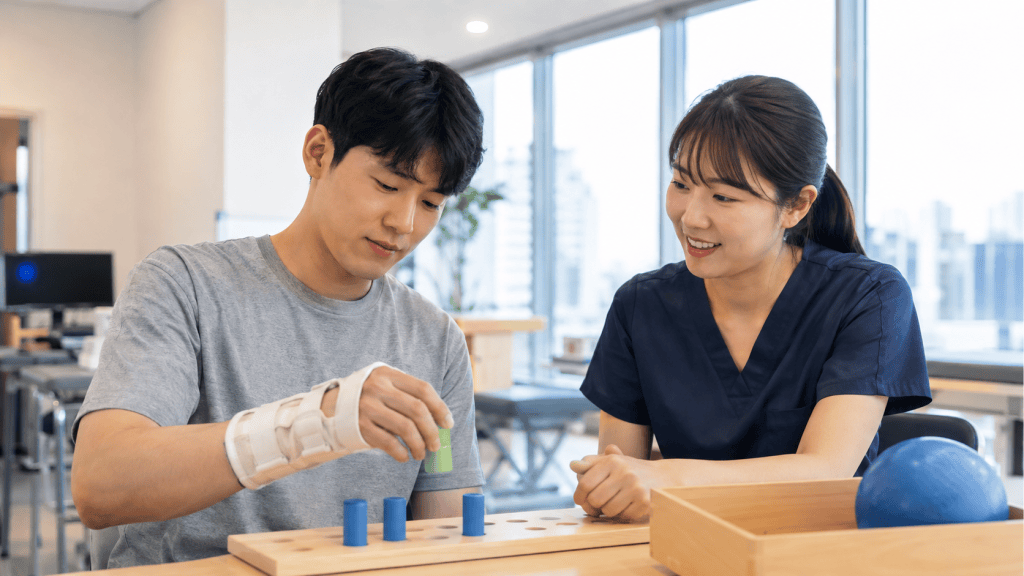
| Physical therapist | Helps restore strength, balance, and movement |
| Occupational therapist | Supports daily activities and return to work |
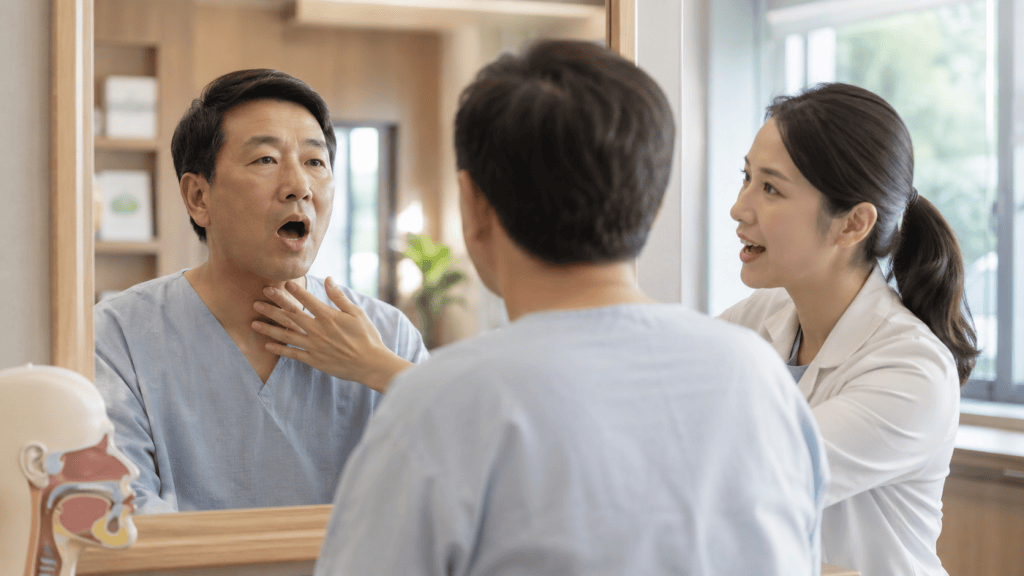
| Speech and swallowing therapist | Assists patients with speaking, eating, and swallowing |
| Specialist nurse | Monitors wounds, tissue circulation, medication, and recovery |
| Psychologist or counselor | Supports emotional adjustment and trauma recovery |
| Social worker | Helps with family support and reintegration into society |
The quality of teamwork directly affects the patient’s recovery. Surgical reconstruction may create the physical possibility of movement, but rehabilitation helps turn that possibility into practical ability.
The Patient Journey
Reconstructive treatment often takes place in several stages.

| Stage | Main Activities | Patient’s Main Concern |
|---|---|---|
| 1. Emergency stabilization | Control bleeding, prevent infection, protect vital functions | “Will I survive?” |
| 2. Medical assessment | Imaging, tissue evaluation, and treatment planning | “What has been damaged?” |
| 3. Primary reconstruction | Repair bone, vessels, nerves, skin, or soft tissue | “Can the damaged area be restored?” |
| 4. Recovery monitoring | Check blood flow, wounds, infection, and pain | “Is the surgery healing properly?” |
| 5. Rehabilitation | Physical, occupational, speech, or swallowing therapy | “Can I use my body normally again?” |
| 6. Secondary procedures | Scar revision, reshaping, or functional improvement | “Can the result be improved further?” |
| 7. Social reintegration | Return to family life, work, school, and community | “Can I live confidently again?” |
The process may involve setbacks. Infection, tissue complications, emotional exhaustion, and slow functional recovery can make rehabilitation difficult. Honest communication between the patient and medical team is therefore essential.
A Patient’s Journey Back to Everyday Life
Imagine a patient who suffers severe facial injuries in an accident.
Emergency doctors first stabilize the patient and protect the airway. Imaging reveals fractures and major tissue damage. A multidisciplinary team then develops a plan to reconstruct the damaged bones and soft tissue.
The first operation focuses on survival and basic structure. Later procedures aim to restore speaking, eating, facial movement, and balance. The patient begins rehabilitation, but progress is slow.
At first, speaking is difficult. Eating requires assistance. Looking in a mirror feels frightening. Returning to public places seems almost impossible.
Then small changes begin to appear.
The patient speaks a clearer word. A facial muscle moves again. A meal is eaten without assistance. A conversation with a family member lasts a little longer. Eventually, the patient finds the courage to return to work or meet friends.
Each improvement may appear small from the outside, but to the patient, it represents a piece of life being returned.
Why Rehabilitation Matters
A successful operation is only the beginning. Without appropriate rehabilitation, restored tissues and nerves may not develop their full functional potential.
| Type of Rehabilitation | Purpose | Example of Progress |
|---|---|---|
| Physical therapy | Improve strength, flexibility, and movement | Walking with less assistance |
| Occupational therapy | Restore practical daily skills | Using utensils or returning to work |
| Hand therapy | Improve grip, coordination, and sensation | Buttoning clothes or writing |
| Speech therapy | Improve pronunciation and voice | Speaking more clearly |
| Swallowing therapy | Support safe eating and drinking | Eating regular food again |
| Scar management | Reduce tightness and restricted movement | Moving a joint more freely |
| Psychological support | Address anxiety, trauma, and self-image | Participating in social activities |
| Family education | Help relatives support recovery safely | Better home care and communication |
Progress should be measured according to the patient’s individual condition and goals. Two patients with similar injuries may experience very different recovery timelines.
The Emotional Impact of Visible Injuries
Visible injuries can create emotional challenges that are difficult for others to understand. Patients may feel that strangers are looking at them or judging them. They may avoid photographs, social gatherings, or even close relationships.
Common emotional challenges include:
- Anxiety about appearance
- Fear of being treated differently
- Loss of confidence
- Depression or social isolation
- Trauma related to the original accident or illness
- Frustration caused by slow recovery
- Uncertainty about employment and relationships
A patient-centered medical program should recognize these concerns as part of treatment—not as separate or secondary issues.
Reconstruction becomes more meaningful when healthcare professionals ask not only, “Did the tissue survive?” but also, “Can this patient return to a fulfilling life?”
Measuring a Successful Outcome
The result of reconstructive surgery cannot be judged by photographs alone.
| Traditional Measure | More Patient-Centered Measure |
|---|---|
| The wound has healed | The patient can manage daily activities |
| The reconstructed tissue survived | The patient can move, eat, speak, or work more effectively |
| Facial symmetry improved | The patient feels more confident in public |
| The scar became smaller | Pain and tightness have decreased |
| The operation was technically successful | The patient’s quality of life has improved |
| No major complication occurred | The patient understands and accepts the recovery process |
Medical success and personal recovery are closely related, but they are not always identical. The best treatment plan considers both.
What International Patients Should Consider
Patients considering reconstructive treatment in Korea should carefully evaluate the entire care pathway rather than focusing only on the operation.
| Point to Confirm | Why It Matters |
|---|---|
| Specialist’s experience | Complex reconstruction requires relevant surgical expertise |
| Hospital capabilities | Microsurgery may require specialized equipment and intensive monitoring |
| Full treatment plan | Some conditions need multiple procedures |
| Rehabilitation availability | Recovery may depend heavily on therapy after surgery |
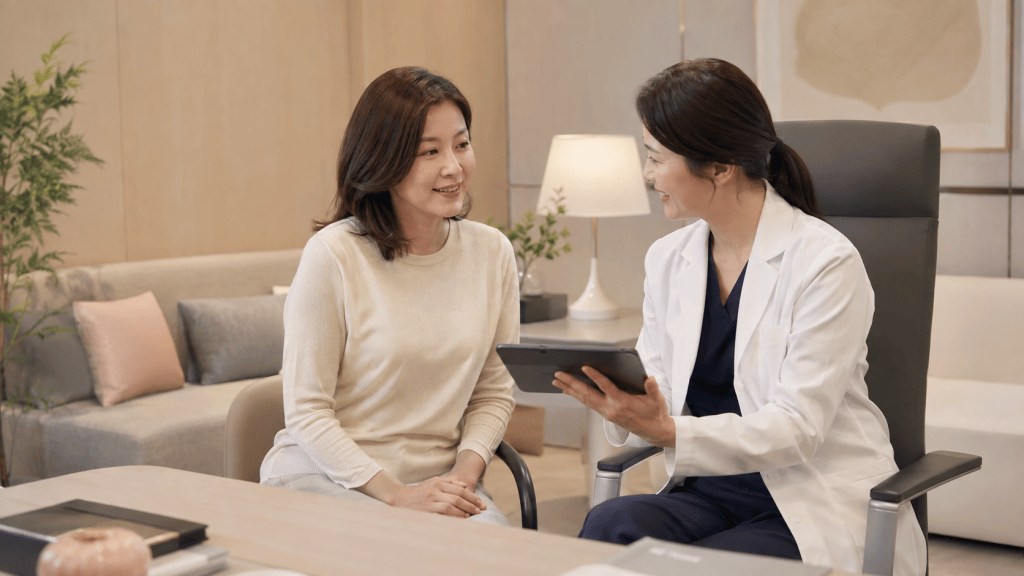
| Communication support | Clear explanations are essential for informed decisions |
| Expected recovery period | Patients may need to remain in Korea for follow-up care |
| Possible complications | Every operation involves risks and uncertainty |
| Medical records and imaging | Previous treatment information helps the medical team plan safely |
| Follow-up after returning home | Local doctors may need to continue wound care or rehabilitation |
| Total cost range | The full cost may include surgery, hospitalization, therapy, and follow-up |
Patients should be cautious of guarantees such as “perfect restoration,” “no scars,” or “complete recovery.” Responsible medical care explains both the possible benefits and the limitations of treatment.
Strengths of Korea’s Reconstructive Medical Care
Korea is widely associated with surgical precision and specialized medical services. In reconstructive care, several characteristics may be particularly valuable:
- Experience with complex facial and tissue reconstruction
- Integration of reconstructive and aesthetic principles
- Access to advanced imaging and surgical technology
- Multidisciplinary cooperation across medical specialties
- Structured hospital systems and postoperative monitoring
- Growing support for international patient communication
- Strong emphasis on detailed surgical planning
However, the true quality of care should not be determined by technology alone. A responsible medical institution must provide accurate information, realistic expectations, ethical treatment, and long-term follow-up.
The Future of Reconstructive Medicine
Reconstructive medicine continues to develop through a combination of biology, engineering, data, and surgical expertise.
| Emerging Development | Potential Benefit |
|---|---|
| AI-assisted surgical planning | More detailed analysis and personalized planning |
| Advanced 3D printing | Patient-specific models, implants, and surgical guides |
| Regenerative medicine | Support for tissue repair and healing |
| Bioengineered tissues | Possible replacement of damaged skin, cartilage, or other structures |
| Robotic microsurgery | Greater stability and precision during delicate procedures |
| Smart rehabilitation devices | Continuous measurement and personalized therapy |
| Remote follow-up systems | Improved monitoring after patients return home |
| Virtual surgical simulation | Better preparation for complex procedures |
These developments may expand what medicine can reconstruct. Nevertheless, technology must remain a tool serving the patient—not the central purpose of treatment.
The Human Meaning of K-Medical Innovation
K-Medical care is often introduced through modern hospitals, advanced equipment, and highly skilled specialists. Yet the deeper value of reconstructive medicine is found in how these capabilities help people rebuild their lives.
A surgeon may reconstruct a jaw, but the patient hopes to eat with family again.
A medical team may repair a hand, but the patient dreams of returning to work or holding a loved one.
A facial procedure may restore physical balance, but the patient wants to walk outside without fear.
These are not merely surgical outcomes. They are human goals.
Reconstructive surgeons cannot erase every scar or return every patient to exactly the way they were before. What they can do is create a path toward greater function, independence, dignity, and hope.
“Reconstructive surgery does not simply change how a patient looks. It helps the patient return to life.”
That is one of the most meaningful faces of K-Medical innovation: advanced medicine guided by human dignity, careful judgment, and a commitment to the patient’s life beyond the operating room.


Leave a Reply