
10 Korea Travel Experiences Foreign Visitors Should Look Forward To
Discover a Side of Korea Most First-Time Visitors Never Experience
Korea is changing fast as a travel destination.
International visitors are no longer coming only for famous landmarks, shopping streets, and Korean food. More travelers now want to experience Korean culture personally — learning K-pop choreography, discovering K-beauty, visiting the DMZ, creating traditional crafts, exploring islands, and experiencing Korea after dark.
Here are 10 exciting Korean travel experiences worth adding to your next trip.
Quick Guide
| No. | Experience | Best Places | Estimated Cost |
|---|---|---|---|
| 1 | K-Beauty & Personal Color Experience | Seoul, Busan | ₩60,000–₩150,000 / US$45–112 |
| 2 | K-Pop Dance & Recording Experience | Seoul | ₩40,000–₩120,000 / US$30–90 |
| 3 | DMZ & Korean History Tour | Paju, Cheorwon | ₩60,000–₩120,000 / US$45–90 |
| 4 | Korean Cooking Class | Seoul, Busan, Jeonju | ₩50,000–₩100,000 / US$37–75 |
| 5 | Jeju Haenyeo Culture Experience | Jeju Island | ₩40,000–₩150,000 / US$30–112 |
| 6 | Make a Traditional Korean Craft | Seoul, Jeonju, Tongyeong | ₩30,000–₩100,000 / US$22–75 |
| 7 | Discover Seoul After Dark | Seoul | ₩20,000–₩70,000 / US$15–52 |
| 8 | Take a Korean Island Day Trip | Incheon, Tongyeong, Yeosu | ₩30,000–₩120,000 / US$22–90 |
| 9 | Experience a Korean Festival | Nationwide | ₩20,000–₩100,000 / US$15–75 |
| 10 | Become Korean for a Day: Professional Photo Experience | Seoul, Busan | ₩50,000–₩200,000 / US$37–149 |
1. Discover Your K-Beauty Personal Color
Find the Korean Beauty Style That Actually Suits You
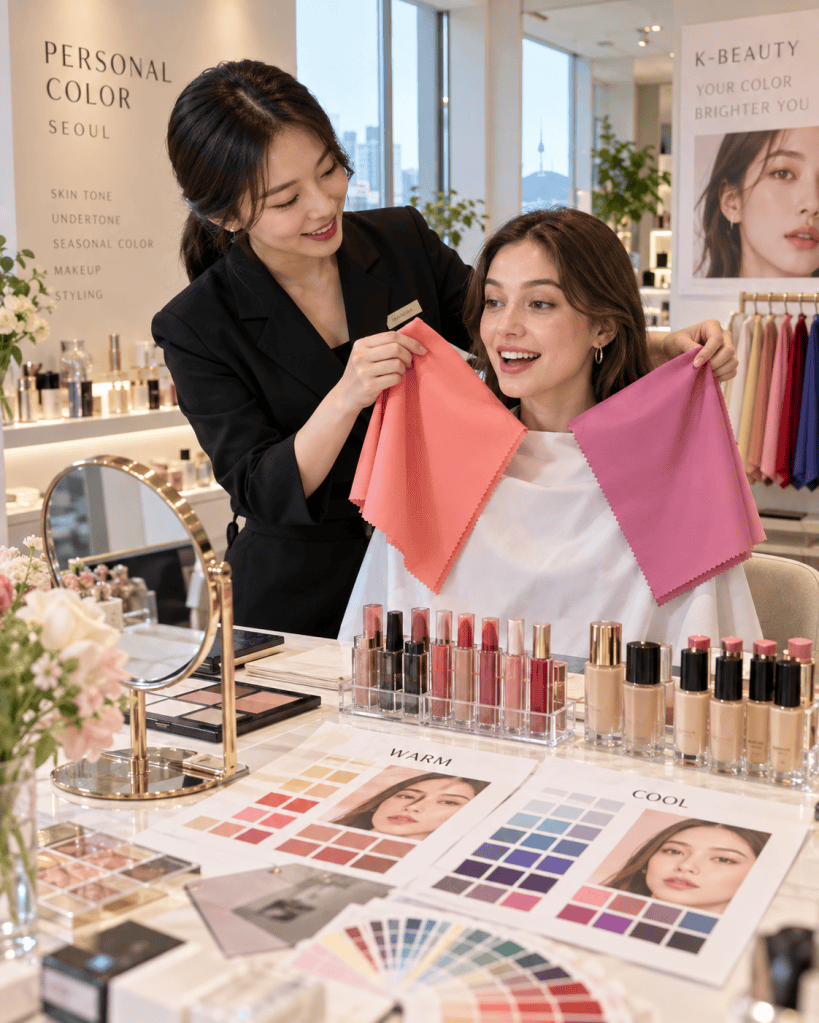
K-beauty is no longer just about buying cosmetics.
One of the most popular experiences for international visitors is discovering which colors, makeup styles, and beauty products actually suit them personally.
A professional personal-color session may analyze your skin tone, eye color, hair color, and overall contrast to determine whether warmer or cooler colors work best for you.
Many studios combine this with:
- Personal color analysis
- Makeup recommendations
- Lipstick color testing
- Foundation matching
- Hairstyle suggestions
- Fashion color recommendations
- Skincare consultation
You can leave with a personalized color chart that helps you shop more effectively during the rest of your Korean trip.
Best Areas: Hongdae, Gangnam, Seongsu, Myeong-dong
Estimated Cost: ₩60,000–₩150,000 (US$45–112)
Time Needed: 60–120 minutes
Best For: Beauty lovers, couples, friends, solo travelers
Traveler Tip
Book your consultation before your major cosmetics shopping day.
That way, instead of buying whatever is trending, you can choose products that actually match you.
2. Become a K-Pop Star for a Few Hours
Learn the Dance. Record the Song. Make the Video.
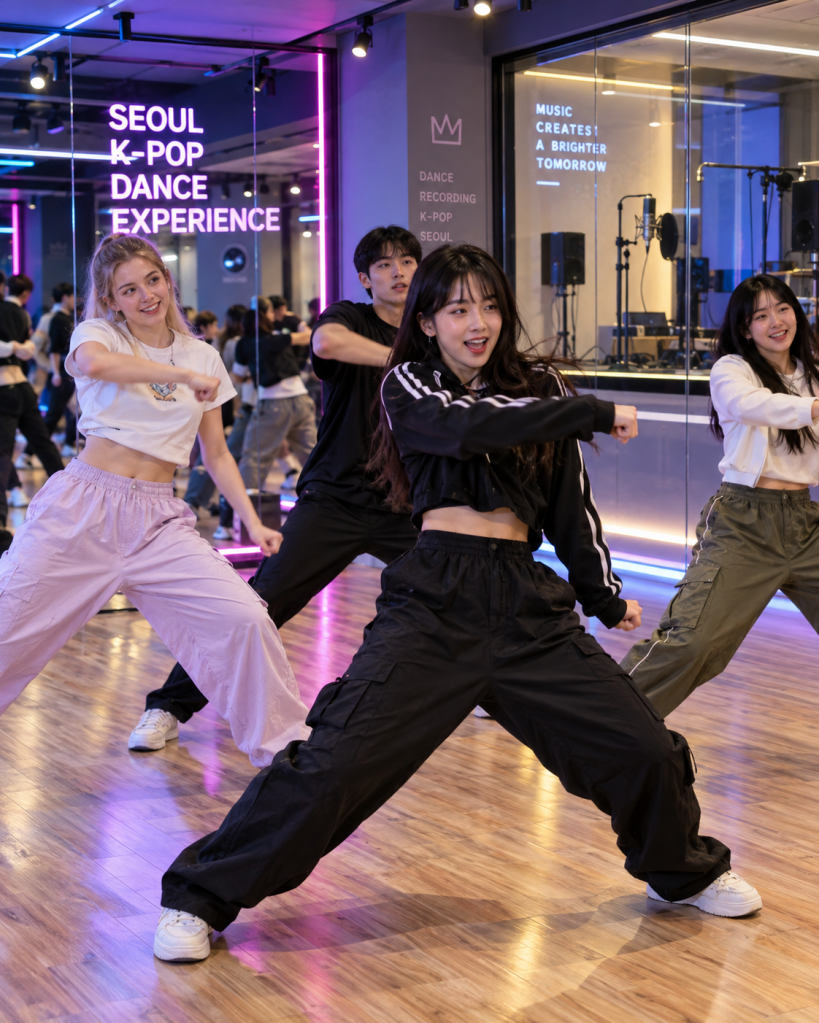
Watching K-pop is one thing.
Performing it yourself is completely different.
In Seoul, international travelers can join K-pop experiences designed for beginners, including professional dance lessons and studio recording sessions.
Depending on the program, you may:
- Learn choreography from a popular K-pop song
- Practice in a professional dance studio
- Record your own Korean song
- Use professional microphones and recording equipment
- Receive coaching on pronunciation
- Film a short performance video
- Take professional photos
No professional dance or singing experience is necessary.
Best Area: Seoul
Estimated Cost: ₩40,000–₩120,000 (US$30–90)
Time Needed: 1.5–3 hours
Best For: K-pop fans, teenagers, young adults, families
Why It Is Special
Instead of saying:
“I watched K-pop in Korea.”
You can say:
“I performed K-pop in Korea.”
3. Visit the DMZ
See One of the Most Unusual Borders in the World
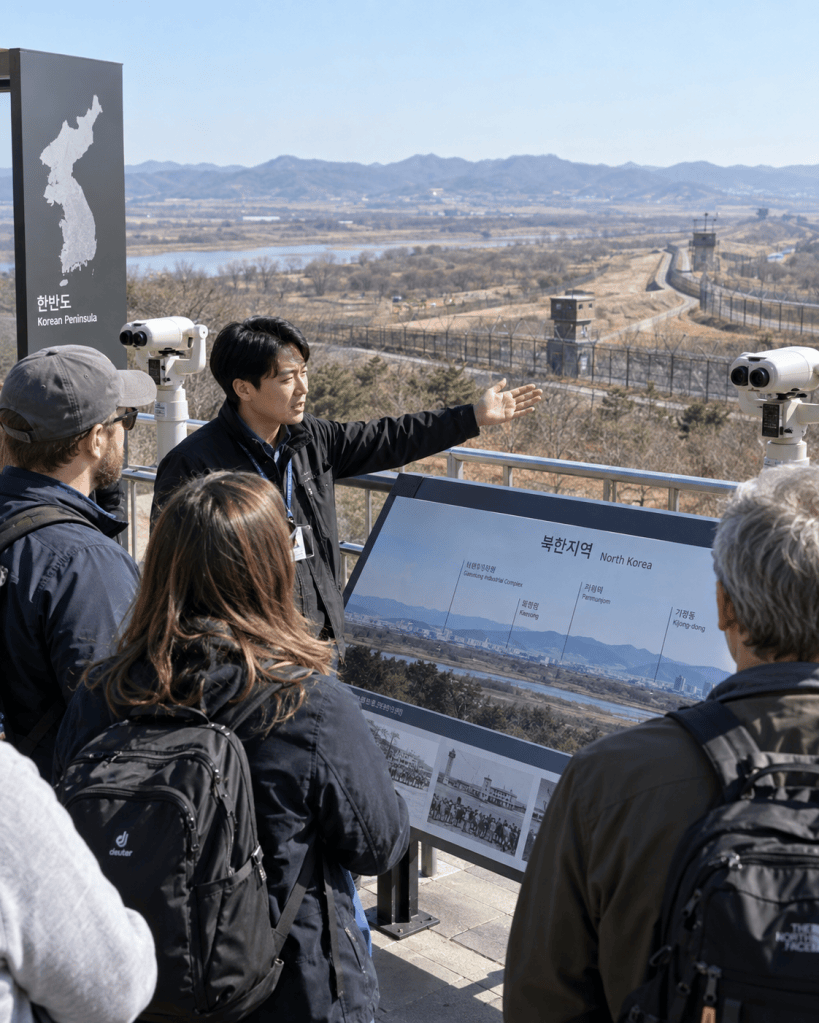
About an hour from Seoul lies one of Korea’s most fascinating destinations: the Demilitarized Zone, or DMZ.
The Korean Peninsula remains divided between North Korea and South Korea, making the DMZ unlike almost any ordinary tourist destination.
Depending on access conditions and the tour selected, visitors may see locations such as:
- Imjingak Peace Park
- Dora Observatory
- The Third Tunnel
- Unification-related sites
- Military observation areas
- Memorials explaining the Korean War and division
The experience combines modern history, geopolitics, security, and hopes for peace.
Recommended Area: Paju or Cheorwon
Estimated Cost: ₩60,000–₩120,000 (US$45–90)
Time Needed: Half day to full day
Best For: History lovers, adults, educational travelers
Important
Bring your passport.
Access to some areas can change depending on military, weather, or security conditions, so confirm the itinerary shortly before departure.
Why Go?
Seoul shows visitors the energy of modern Korea.
The DMZ helps visitors understand why Korea became the country it is today.
4. Cook a Real Korean Meal
Go Home With More Than Photos
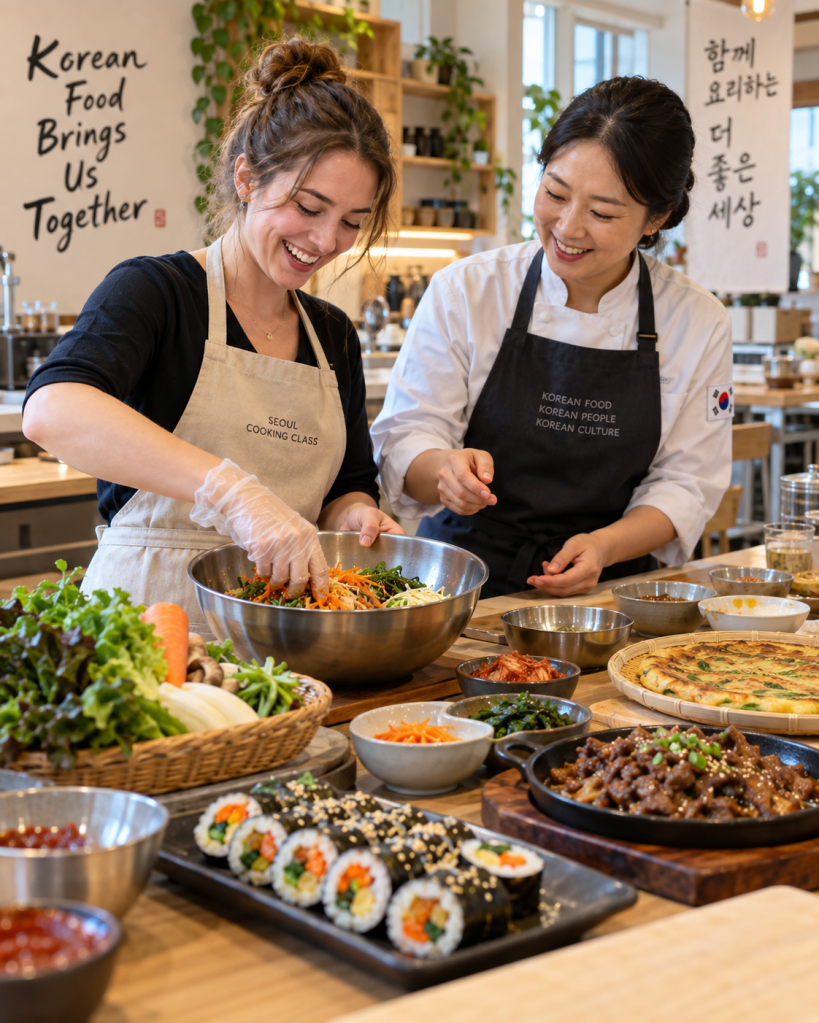
Eating Korean food is essential.
Learning to cook it is even better.
Cooking classes for international travelers allow you to prepare Korean dishes with a local instructor and then enjoy the meal you created.
Popular dishes may include:
- Bulgogi
- Bibimbap
- Kimchi
- Gimbap
- Tteokbokki
- Japchae
- Korean pancakes
- Traditional side dishes
Some programs begin by shopping for ingredients before the cooking lesson.
Best Cities: Seoul, Busan, Jeonju
Estimated Cost: ₩50,000–₩100,000 (US$37–75)
Time Needed: 2–4 hours
Best For: Food lovers, couples, families
Best Part
Months after returning home, you can recreate the food and remember Korea again.
That makes a cooking class one of the few travel souvenirs you can keep using forever.
5. Meet Korea’s Legendary Haenyeo Women
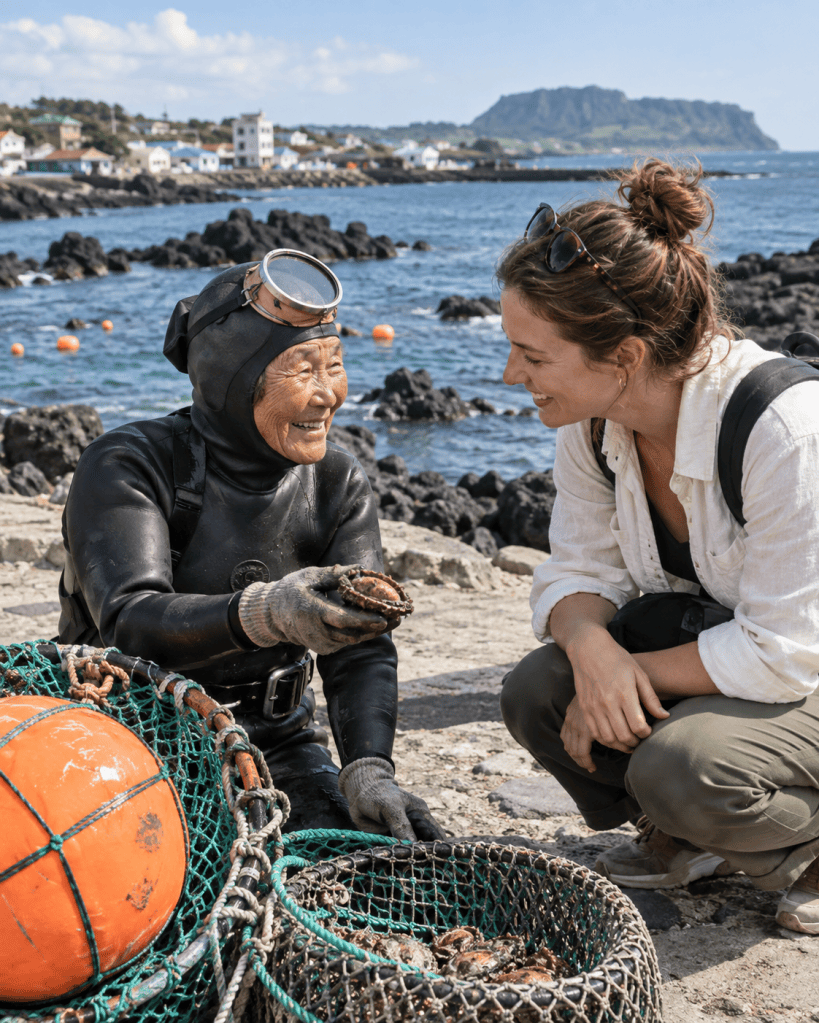
Discover Jeju Island Through Its Women of the Sea
One of Korea’s most remarkable cultural traditions can be found on Jeju Island.
Haenyeo are female divers who traditionally enter the ocean without modern breathing equipment to gather seafood such as shellfish and seaweed.
Their culture has been passed down through generations and represents endurance, independence, community, and Jeju’s relationship with the sea.
Travelers can explore Haenyeo culture through:
- Haenyeo museums
- Coastal villages
- Seafood experiences
- Demonstrations
- Cultural programs
- Guided village walks
Depending on location and season, visitors may also meet local Haenyeo or enjoy freshly harvested seafood.
Location: Jeju Island
Estimated Cost: ₩40,000–₩150,000 (US$30–112)
Time Needed: 2 hours to half day
Best For: Cultural travelers, photographers, families
Why It Matters
The Haenyeo story is not simply about diving.
It is a story about women, family, community, survival, and the sea.
6. Make Your Own Korean Traditional Craft
Create a Souvenir No Store Can Sell You
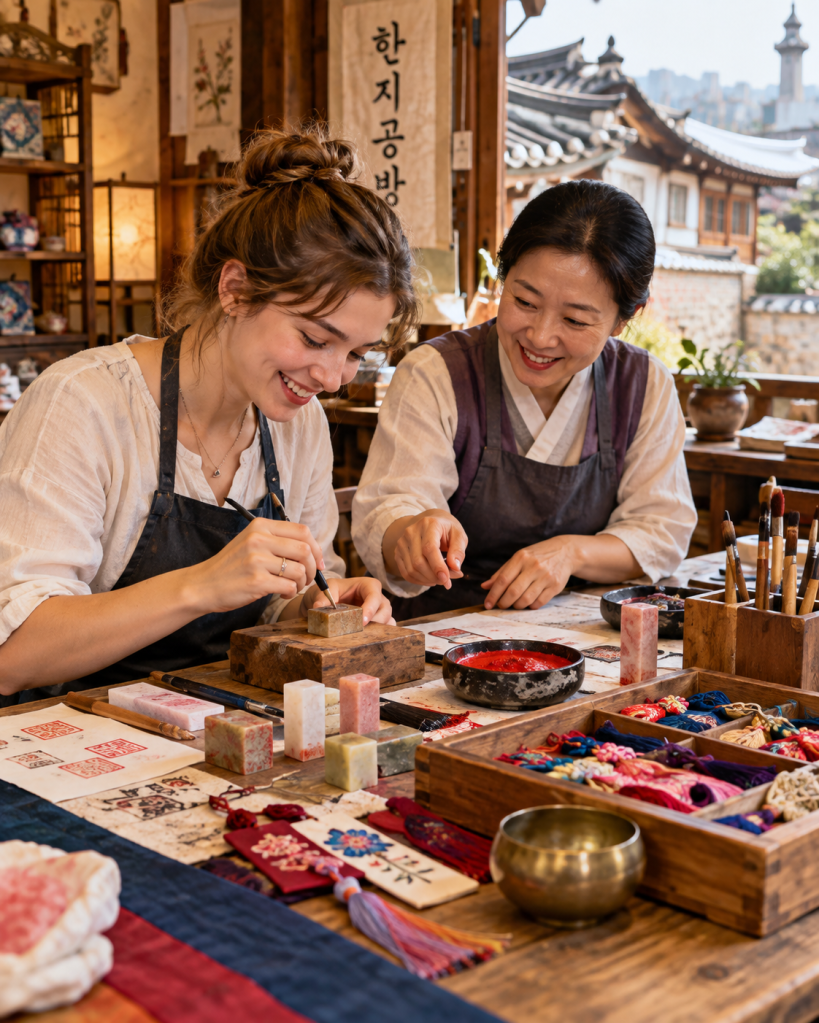
Instead of buying another souvenir, make one yourself.
Korea has a rich tradition of craftsmanship, and short workshops allow international visitors to create their own Korean artwork.
You may try:
Hanji
Traditional Korean paper crafts.
Bojagi
Traditional decorative wrapping cloth.
Najeonchilgi
Mother-of-pearl lacquerware.
Traditional Knotting
Colorful decorative Korean knots.
Stamp Carving
Create a personalized Korean-style seal.
Ceramics
Make your own cup, bowl, or small pottery piece.
Recommended Areas: Insadong, Bukchon, Jeonju, Tongyeong
Estimated Cost: ₩30,000–₩100,000 (US$22–75)
Time Needed: 1–3 hours
Best For: Families, couples, art lovers
Traveler Tip
Small crafts such as stamps, knot ornaments, and paper crafts are especially convenient because they are easy to carry home.
And unlike mass-produced souvenirs:
Nobody else in the world will have exactly the same one.
7. Discover Seoul After Dark
The City Changes Completely After Sunset
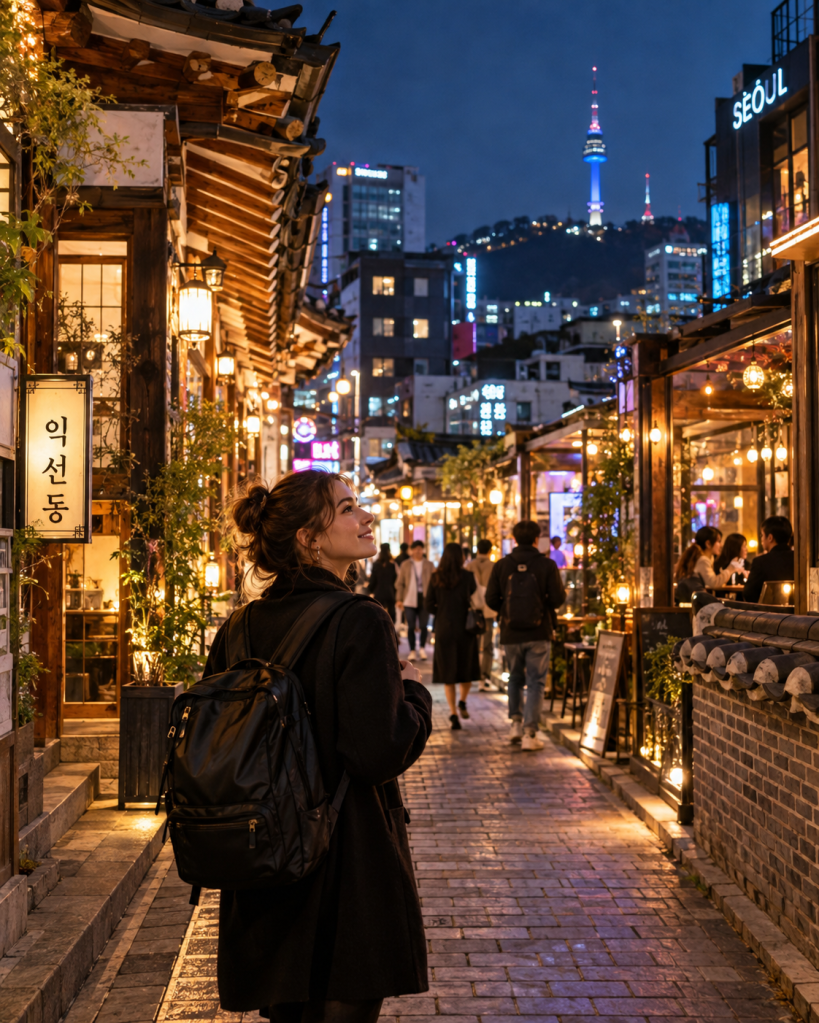
Don’t return to your hotel too early.
Seoul after dark can feel like an entirely different city.
Create your own Korean night journey through places such as:
- Illuminated palace areas
- Ikseon-dong
- Cheonggyecheon Stream
- Naksan Park
- Dongdaemun
- Euljiro
- Traditional alleys
- Rooftop viewpoints
- Late-night cafés
Seoul has been actively developing nighttime tourism, reflecting growing international interest in experiencing the city beyond daytime sightseeing.
Estimated Cost: ₩20,000–₩70,000 (US$15–52)
Time Needed: 3–5 hours
Best Time: 6:00 PM–11:00 PM
Best For: Couples, photographers, young travelers
Try This Route
Start with a historic neighborhood before sunset.
Walk through small alleys after dark.
Have dinner.
Finish the evening in a café with a city view.
Seoul Travel Secret
Some of Seoul’s most beautiful moments happen after the tour buses disappear.
8. Escape to a Korean Island for One Day
Korea Has Thousands of Islands — Why Stay Only on the Mainland?
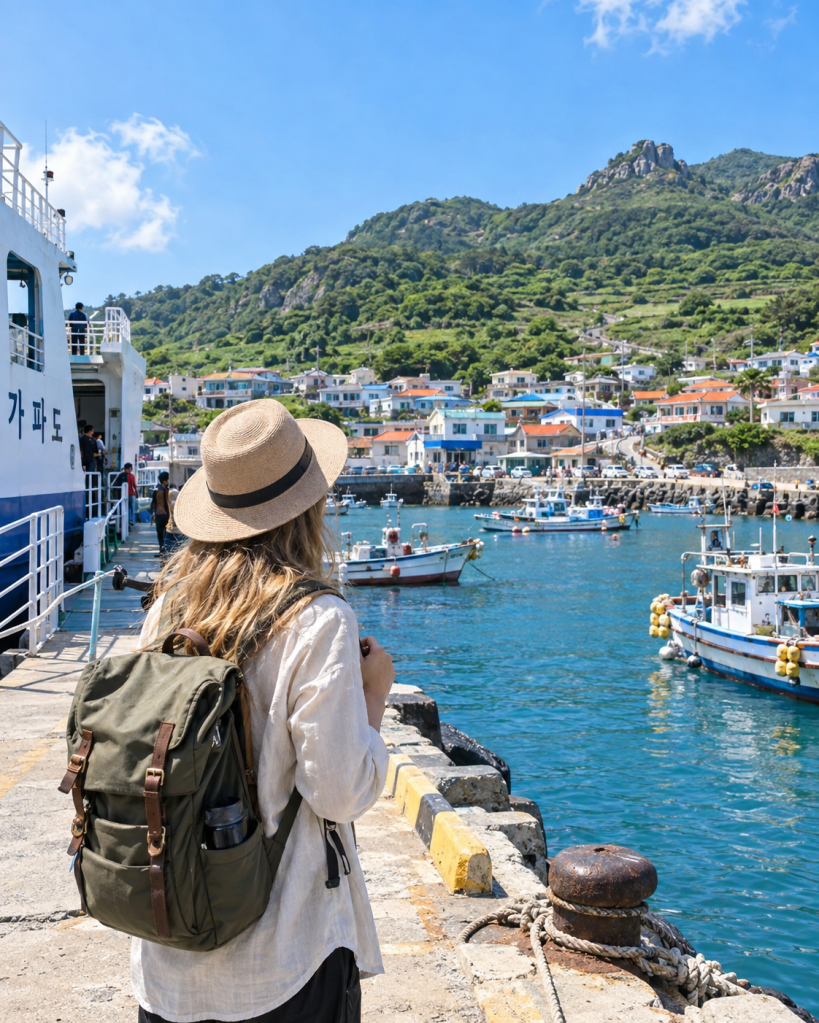
Foreign visitors often focus on Seoul, Busan, and Jeju.
But Korea’s coastline is filled with smaller islands offering dramatically different scenery and a much slower pace of life.
Possible destinations include islands near:
- Incheon
- Tongyeong
- Yeosu
- Geoje
- Mokpo
Depending on the destination, you may experience:
- Ferry journeys
- Fishing villages
- Seafood
- Coastal trails
- Quiet beaches
- Lighthouse viewpoints
- Small cafés
- Island villages
Transportation & Experience: ₩30,000–₩120,000 (US$22–90)
Time Needed: Full day
Best For: Nature lovers, photographers, repeat visitors
Traveler Tip
Check ferry schedules carefully.
Weather conditions can affect departures, especially on smaller routes.
Why Try It?
The Korea seen from an island ferry feels completely different from the Korea seen from a subway.
9. Plan Your Trip Around a Korean Festival
Sometimes the Best Attraction Exists for Only a Few Days
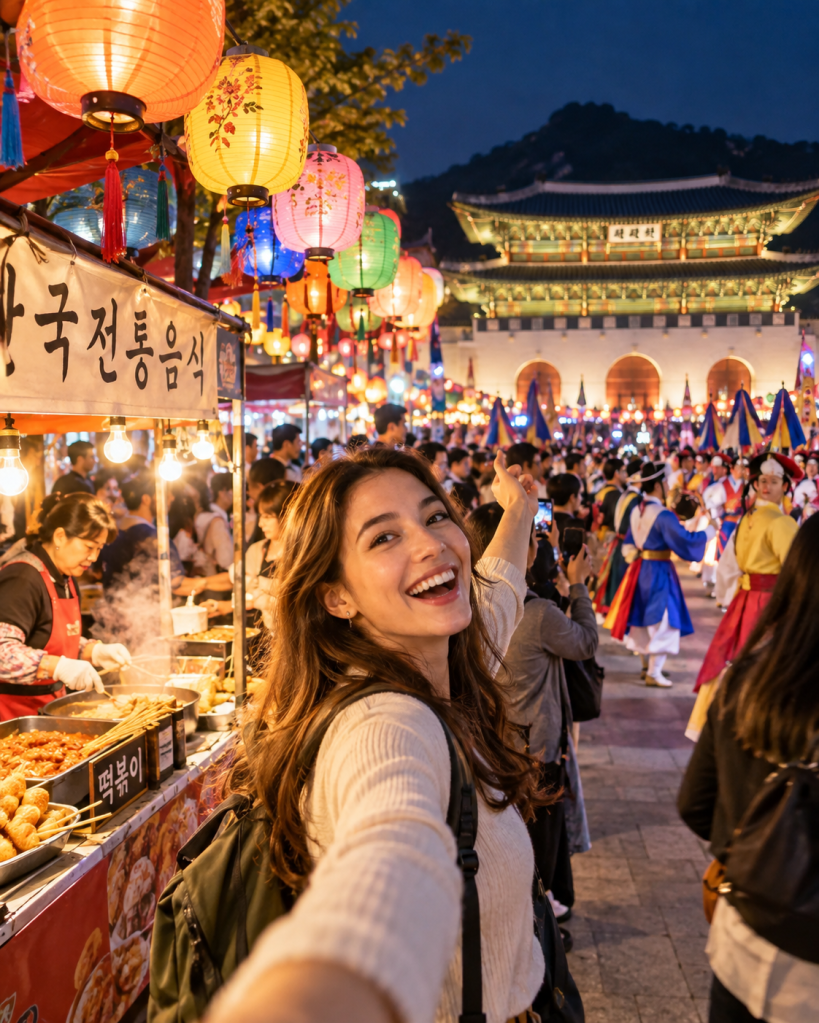
Korea hosts festivals throughout the year, and timing your trip around one can transform an ordinary vacation.
Depending on season and destination, travelers may find festivals celebrating:
- Cherry blossoms
- Lanterns
- Fireworks
- Mud
- Ice and snow
- Flowers
- Local food
- Traditional culture
- Music
- Coastal events
- Autumn foliage
Many festivals include performances, street food, hands-on activities, nighttime illuminations, and local specialties.
Typical Festival Budget: ₩20,000–₩100,000 (US$15–75)
Time Needed: Half day to full day
Best For: Everyone
Best Strategy
Before booking your Korean itinerary, search:
“Korea festivals + your travel month.”
Then consider building one day of your journey around a festival.
Why?
Landmarks will still be there next year.
A festival may exist for only three days.
10. Become Korean for a Day — Professional Photo Experience
Take Home a Portrait, Not Just Another Selfie
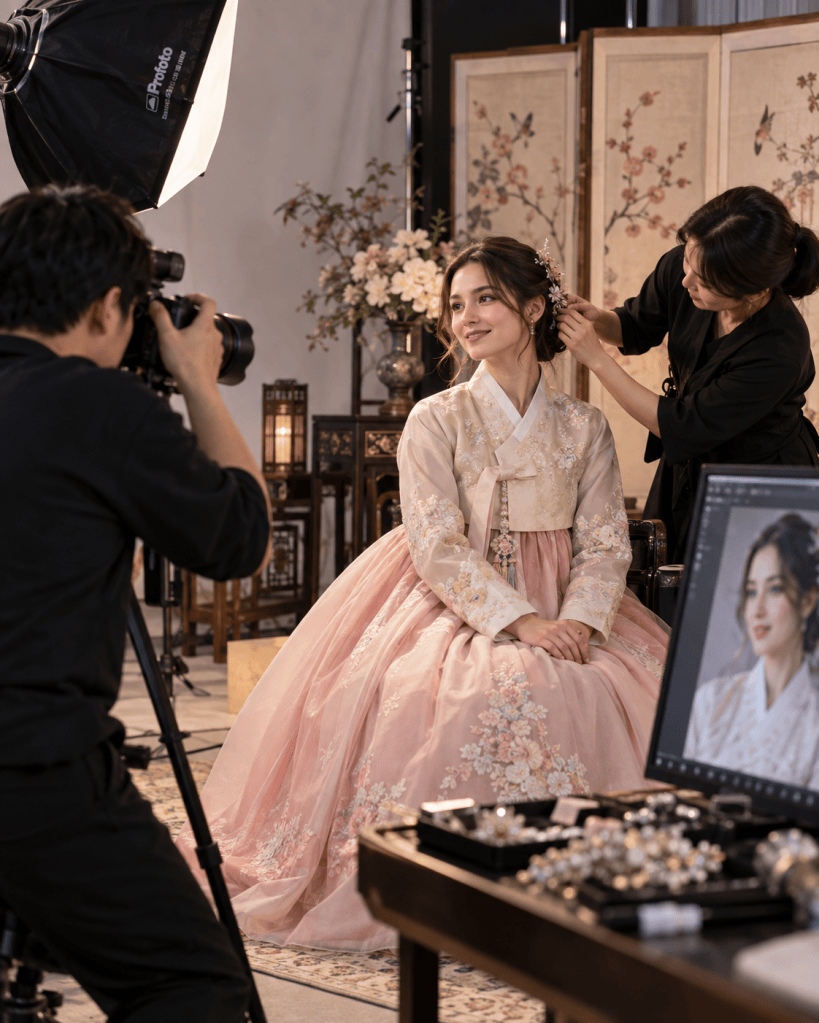
Most travelers return home with hundreds of phone photos.
But Korea has an enormous photography culture ranging from self-photo studios to professional portrait studios.
For something special, book a professional Korean-style photo experience.
Depending on the studio, you may choose:
- Hanbok portraits
- K-pop-inspired styling
- Korean school-uniform concepts
- Traditional historical concepts
- Modern Korean fashion
- Professional hair and makeup
- Couple portraits
- Family portraits
- Black-and-white studio portraits
Some studios include professional editing and digital image files.
Best Areas: Seoul and Busan
Estimated Cost: ₩50,000–₩200,000 (US$37–149)
Time Needed: 1–3 hours
Best For: Couples, families, solo travelers, K-culture fans
Why This Is Worth It
A souvenir eventually gets old.
A great photograph can become more valuable over time.
Twenty years later, you may look at it and immediately remember:
“That was me in Korea.”
Which Experience Should You Choose?
| Your Travel Style | Best Experience |
|---|---|
| Beauty & Fashion | K-Beauty Personal Color |
| K-Pop Fan | K-Pop Dance & Recording |
| History & Politics | DMZ Tour |
| Food Lover | Korean Cooking Class |
| Unique Korean Culture | Jeju Haenyeo Experience |
| Art & Handmade Souvenirs | Traditional Craft Workshop |
| Romance & Photography | Seoul Night Experience |
| Nature & Adventure | Island Day Trip |
| Festivals & Entertainment | Korean Festival |
| Memorable Souvenir | Professional Korean Photo Experience |
Final Travel Advice
Korea is no longer a destination where visitors simply look at things.
The best Korean journeys happen when you participate.
Learn something.
Make something.
Taste something.
Meet someone.
Go somewhere unexpected.
Don’t just visit Korea.


Leave a Reply